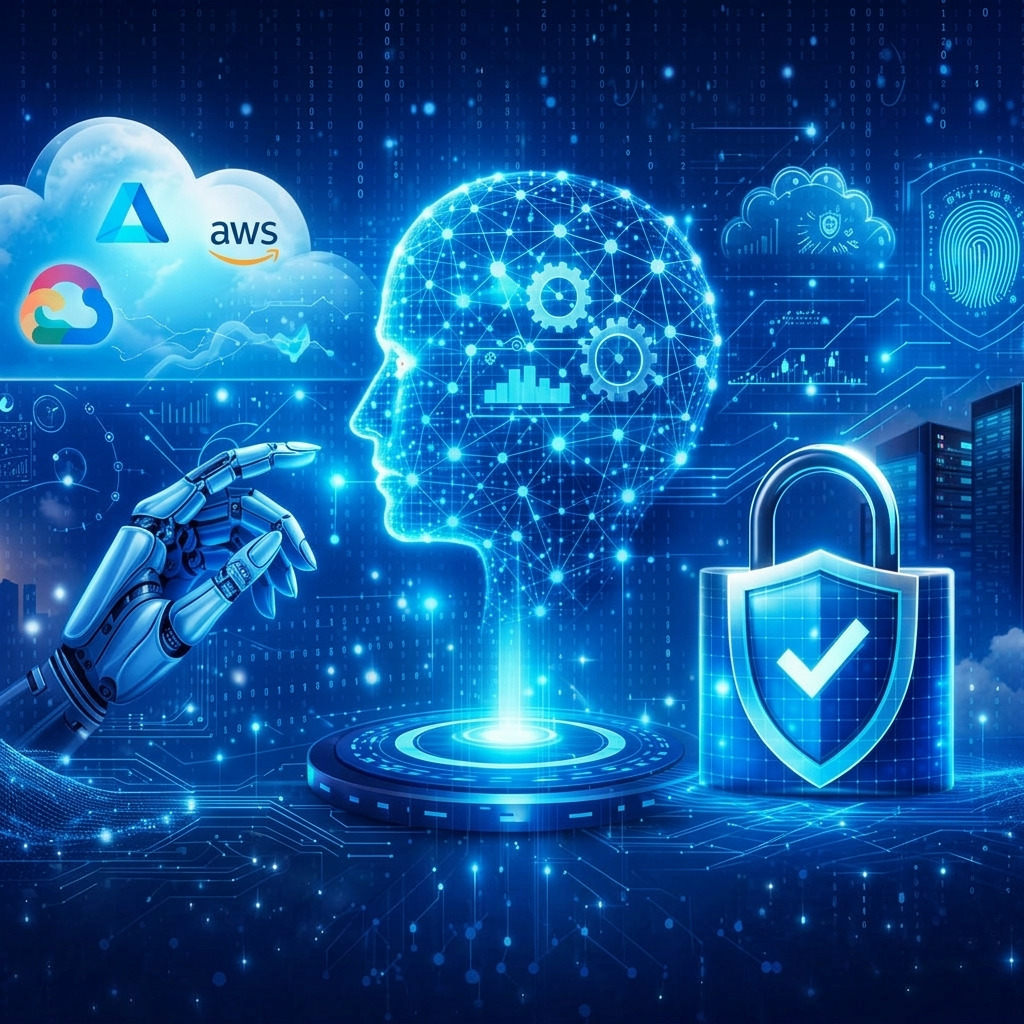

Artificial intelligence is rapidly changing the way businesses build products, manage operations, and deliver digital experiences. As AI models become more capable, organizations are exploring new ways to integrate intelligent systems into their everyday workflows.
Mistral Large 4 represents an interesting development in the evolving AI landscape. Advances in model capabilities and deployment options continue to create opportunities for organizations looking to bring AI closer to their business processes.
The future of enterprise AI is not just about smarter models. It is about turning intelligence into meaningful business outcomes.
The Growing Role of AI in Enterprise
Businesses are moving beyond basic AI experimentation and exploring practical applications across multiple departments. From customer support and document processing to analytics and software engineering, intelligent automation is becoming an important part of digital transformation strategies.
Modern AI systems can help teams process large amounts of information, generate useful insights, and reduce repetitive work. This allows employees to focus more on strategic decisions, innovation, and customer experiences.
Transforming Software Development
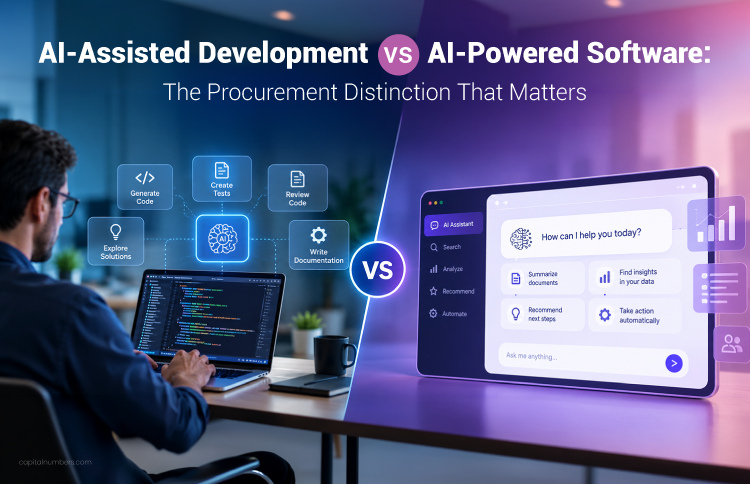
AI-assisted development is changing how software teams approach coding, debugging, testing, and documentation. Developers can use intelligent tools to explore solutions, understand unfamiliar codebases, and accelerate everyday development tasks.
Where AI Can Make a Difference
- Code Assistance: Generate suggestions and support developers throughout the coding process.
- Debugging: Help investigate errors and understand application behaviour.
- Documentation: Simplify technical documentation and knowledge sharing.
- Workflow Automation: Reduce repetitive development and operational activities.
Smarter Business Automation
Intelligent automation is helping organizations rethink traditional business processes. AI-powered applications can support information retrieval, workflow coordination, data analysis, and customer-facing operations.
By connecting AI capabilities with existing enterprise systems, businesses can create more responsive processes and improve operational efficiency.
Why Enterprise Security Still Matters
As organizations introduce AI into business-critical environments, data privacy, access management, and security governance become increasingly important. AI adoption should be supported by clear policies, controlled access, and continuous monitoring.
- Protect sensitive business information.
- Apply role-based access controls.
- Monitor AI integrations and data flows.
- Evaluate model outputs before critical decisions.
- Establish responsible AI governance practices.
Looking Ahead: The Future of Enterprise AI
AI innovation will continue to influence software engineering, business automation, and digital transformation. Organizations that focus on practical implementation, responsible deployment, and strong security foundations will be better positioned to benefit from these developments.
The opportunity is not simply to adopt new technology, but to use it meaningfully to solve real business challenges and create lasting value.