As businesses become increasingly dependent on digital platforms, protecting software applications and sensitive information has become more important than ever. Cyber threats are constantly evolving, making traditional security approaches more challenging to maintain.
Artificial intelligence is changing the cybersecurity landscape by helping organizations identify potential threats, analyse unusual activities, and discover software vulnerabilities more efficiently. By combining intelligent analysis with security expertise, businesses can build stronger and more proactive security environments.
The future of cybersecurity is not just about responding to threats. It is about identifying risks earlier, making smarter decisions, and staying ahead of evolving attacks.
The Growing Role of AI in Cybersecurity
Modern organizations generate and manage enormous amounts of digital information. Monitoring every activity manually can be difficult, especially as cyberattacks become more sophisticated.
AI-powered security solutions can analyse large volumes of data, identify unusual patterns, and highlight activities that may indicate a security threat. This helps security teams investigate potential incidents and respond with better visibility.
From suspicious login attempts to unexpected network behaviour, AI can support continuous monitoring and strengthen an organization's overall security strategy.
Intelligent Threat Detection and Prevention
Detecting threats before they cause serious damage is a major priority for every organization. AI helps security teams identify unusual behaviour by analysing patterns across systems, applications, and network activities.
Instead of relying only on predefined security rules, intelligent detection systems can help identify suspicious activities that may otherwise go unnoticed. Security professionals can use these insights to investigate risks and take appropriate action.
How AI Strengthens Threat Detection
- Behaviour Analysis: Identify unusual user and system activities that may indicate potential security risks.
- Malware Detection: Analyse suspicious files and behaviours to support the identification of malicious software.
- Suspicious Login Detection: Highlight unusual login patterns and potentially compromised accounts.
- Real-Time Monitoring: Support continuous security monitoring across applications and digital environments.
- Alert Prioritisation: Help security teams focus on potentially critical alerts and reduce investigation time.
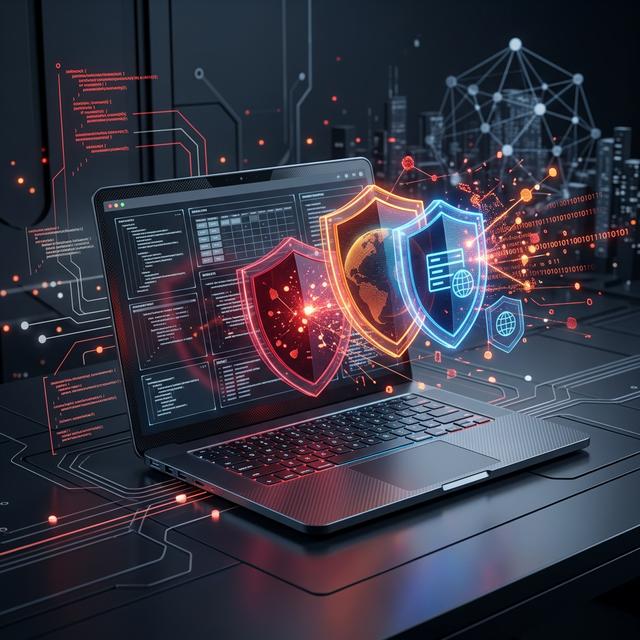
Faster Software Vulnerability Discovery
Software vulnerabilities can expose applications, customer information, and business systems to serious security risks. Identifying weaknesses early in the development process is essential for building secure digital products.
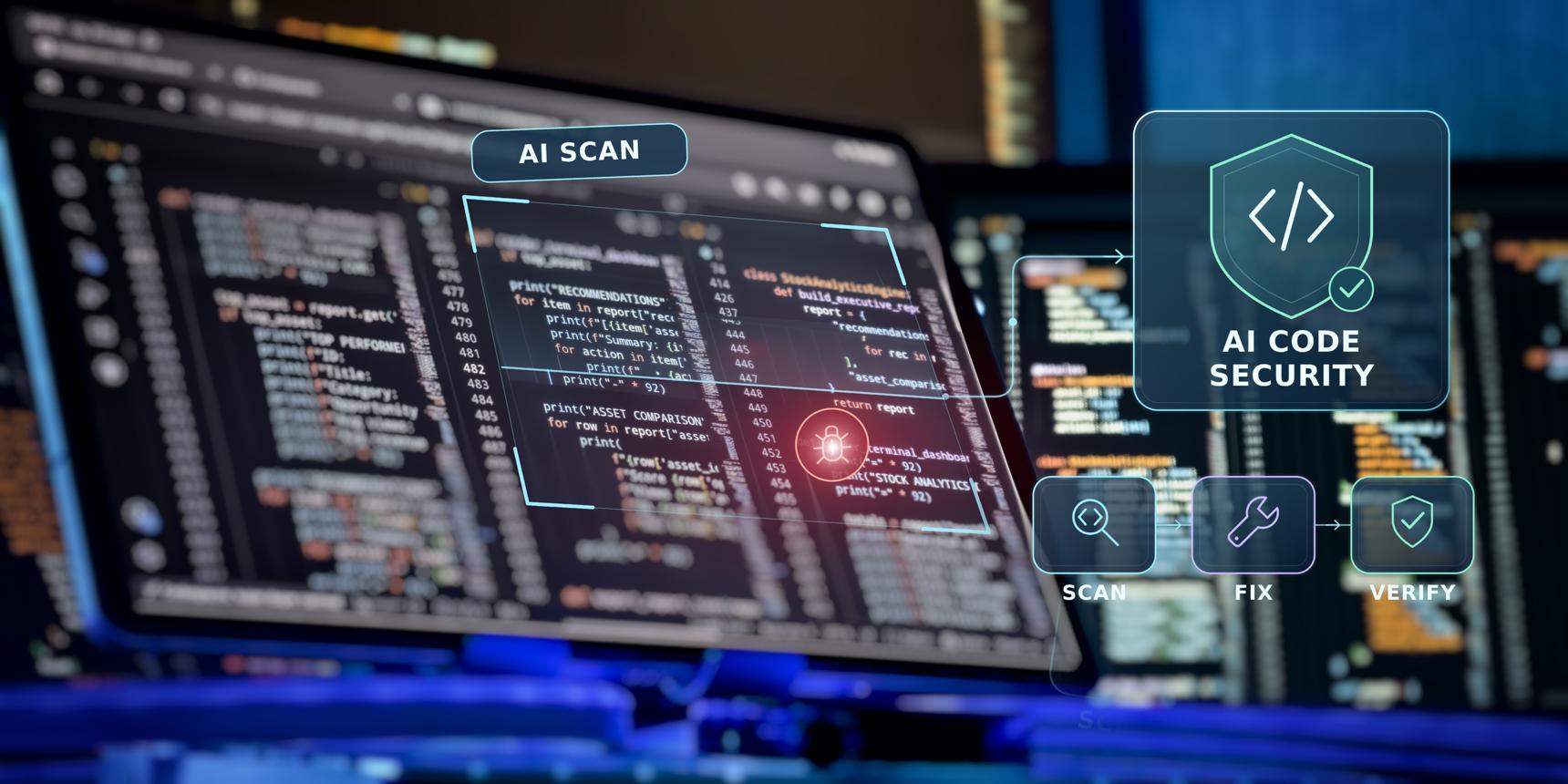
AI-assisted security tools can help analyse source code, identify potential weaknesses, and support vulnerability assessments. Developers and security teams can use these insights to investigate issues and prioritise fixes.
Where AI Supports Software Security
- Code Analysis: Examine application code and highlight potentially insecure coding patterns.
- Vulnerability Assessment: Support the discovery and prioritisation of software security weaknesses.
- Security Testing: Assist teams in identifying potential issues during application testing.
- Dependency Monitoring: Help identify risks associated with outdated or vulnerable software dependencies.
Smarter Security Operations and Automation
Security operations teams often handle large volumes of alerts, investigation tasks, and incident reports. Managing these activities manually can consume valuable time and resources.
AI-powered automation can support repetitive security activities such as alert analysis, incident classification, information gathering, and response recommendations. This allows security professionals to focus more on complex investigations and important security decisions.
Key Areas of Security Automation
- Alert Analysis: Assist in reviewing and classifying security alerts.
- Incident Investigation: Bring relevant security information together to support faster investigations.
- Response Workflows: Support predefined security response processes and incident handling.
- Security Reporting: Help organise incident information and generate useful security insights.
Strengthening Enterprise Security
As organizations adopt cloud platforms, connected applications, and remote working environments, protecting business data requires a comprehensive security approach.
AI can support enterprise security by helping teams monitor access patterns, identify suspicious behaviour, and understand potential risks across their digital infrastructure. However, intelligent security tools should work alongside established security policies and human expertise.
- Protect sensitive business and customer information.
- Strengthen identity and access management.
- Monitor endpoints, applications, and network activity.
- Identify unusual access and authentication patterns.
- Maintain regular security assessments and updates.
- Apply clear security governance and compliance policies.
Why Human Expertise Still Matters
Although AI can improve security monitoring and analysis, it cannot replace the experience and judgement of cybersecurity professionals. AI-generated findings may require validation, and automated responses must be carefully controlled.
Security teams play an important role in understanding business context, validating threats, investigating incidents, and making critical decisions. Combining AI capabilities with human expertise creates a more balanced and effective security approach.
The Future of AI-Driven Cybersecurity
As cyber threats continue to evolve, AI will become an increasingly important part of modern security strategies. Intelligent threat detection, automated security analysis, and proactive vulnerability management will continue to shape how organizations protect their digital environments.
Businesses that combine AI-driven capabilities with strong security foundations, skilled professionals, and responsible technology practices will be better prepared to manage emerging cybersecurity challenges.
At MSWE, we believe that meaningful technology innovation starts with solving real business challenges. Building secure, reliable, and intelligent digital experiences is an important part of that journey.